You switched to a plant-based diet. You replaced meat with soy burgers, plant-based nuggets, and ultra-realistic seitan sausages. On paper, everything looks perfect: it’s plant-based. But in reality, you feel more bloated, more tired… sometimes even frustrated.
What if the problem wasn’t plant-based food itself, but ultra-processing?
The trap of ultra-processed meat alternatives
The issue with meat alternatives is not their plant origin but often their industrial processing. To reproduce the fibrous texture of meat, its red “bleeding” color, or its taste, the industry deconstructs plant raw materials (protein isolates, modified starches) and then rebuilds them. To achieve this, manufacturers use texturizing agents, flavor enhancers, colorants, and thickeners… In short, ingredient lists sometimes stretching over 20 lines.
In addition, many industrial plant-based burgers contain high levels of salt or refined coconut oil (rich in saturated fats). In some cases, the sodium content even exceeds that of a traditional meat burger.
What research says about ultra-processed foods
Industrial meat substitutes often fall into the category of ultra-processed foods (NOVA classification).
Several studies published in the British Medical Journal show that a high consumption of ultra-processed foods is associated with:
-
An increased risk of cardiovascular disease
-
Metabolic disorders
-
Chronic low-grade inflammation
This does not mean that all meat alternatives are harmful, but if they become the daily foundation of your diet, the benefits of plant-based eating can be significantly reduced.
Often disappointing nutritional density
Another major issue: the loss of nutritional density.
Industrial processes (heating, extrusion, protein isolation) can reduce the natural content of nutrients such as B vitamins, minerals, and antioxidants. As a result, industrial plant burgers are often low in fiber, lacking natural micronutrients, and focused almost exclusively on isolated protein…
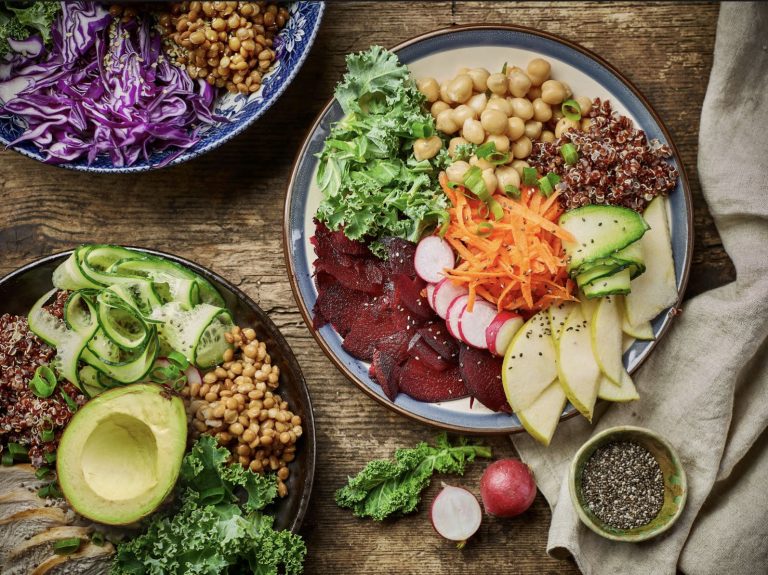
By contrast, whole plant protein sources offer many health benefits. For example:
-
150 g of whole lentils provide fiber, iron, magnesium, and polyphenols
-
Tofu preserves a more intact food matrix
-
Tempeh also offers fermentation benefits for the microbiome
Blood sugar, satiety, and energy: you can feel the difference
Ultra-processed foods are often digested faster, which means blood sugar spikes, energy crashes, and quicker hunger. Whole plant foods, on the other hand, provide slower digestion, longer satiety, and more stable energy. The difference is often noticeable.
So, should we completely avoid meat alternatives?
No, absolutely not!
They can make the transition to plant-based eating easier, serve as occasional convenience foods (when you don’t have time to cook or when you’re invited to a barbecue), and help psychologically during the transition. The issue appears when they replace whole foods daily. A plant-based diet mainly built around industrial products is no longer an optimized plant-based diet — it becomes an ultra-processed plant-based diet.
The solution: return to “real” plant foods with better alternatives
Tempeh
Fermented, rich in protein, beneficial for the microbiome, with a firm and satisfying texture.
Homemade seitan
By preparing it yourself, you control the salt and ingredients. Seitan is an excellent protein source without unnecessary additives.
Cooked legumes
For example: chickpea curry, kidney bean chili, lentil dhal = fiber + protein + natural micronutrients.
The real solution: knowing exactly what you eat
The main issue is not meat alternatives but the lack of a global nutritional overview. Many people switch to plant-based diets but don’t monitor their protein intake, neglect their omega-3s, underestimate their iron needs, or overconsume ultra-processed products. The transition may then feel difficult and unsustainable: fatigue, digestive discomfort, loss of motivation…
This is exactly why we created the Veg’Up Nutrition app.
Veg’Up Nutrition is not a calorie-counting app. It is a tool specifically designed for vegans and vegetarians who want to:
-
Optimize their plant protein intake
-
Check their amino acid balance
-
Monitor their omega-3 intake
-
Identify critical nutrients
-
Reduce dependence on ultra-processed products
Rather than replacing meat with industrial products, Veg’Up Nutrition helps you build a strong plant-based diet based on whole and balanced foods.
Switching to plant-based eating should not be a simple substitution — it should become a nutritional strategy. With Veg’Up Nutrition, turn your dietary transition into real optimization.
Download the app and optimize your plant-based diet today!


This article is provided for informational purposes only. It does not replace medical advice. In case of persistent fatigue, digestive issues, or doubt, consult a healthcare professional.
Sources: Srour B. et al., Ultra-processed food intake and risk of cardiovascular disease, BMJ, 2019; Rico-Campà A. et al., Association between consumption of ultra-processed foods and mortality, BMJ, 2019.