If you eat a vegan diet, the goal is not to worry about deficiencies all the time. The goal is to know which nutrients actually deserve close attention, which ones depend more on your profile, and how to cover your needs without turning every meal into a spreadsheet.
The short answer is this: vitamin B12 is the number one priority. After that, the nutrients most worth watching are usually vitamin D, iodine, omega-3, and iron, with calcium and zinc becoming more relevant depending on your food choices and routine. Protein is less often a true deficiency issue, but intake can still be too low in some plant-based diets.
If you want to step back and assess your overall diet first, you can also read How can we know if our plant-based diet is balanced?
The main vegan deficiencies and nutrient gaps to watch
Here is the most practical hierarchy for real life:
- Vitamin B12: essential to secure in every vegan diet.
- Vitamin D: especially relevant depending on season, sun exposure, skin tone, and lifestyle.
- Iodine: often overlooked, especially if you do not use iodized salt.
- Omega-3: especially the EPA/DHA question, not just flaxseeds or chia.
- Iron: more important to monitor in people with heavy periods, endurance training, pregnancy, or low iron stores.
- Calcium: worth checking if your diet includes little fortified plant milk, calcium-set tofu, or calcium-rich mineral water.
- Zinc: can become a weak point in less varied diets.
- Protein: usually not a classic deficiency, but intake can still be too low in some situations.
In other words, being vegan does not automatically mean being deficient. But it does require more planning around a few key nutrients than a typical omnivorous diet. This is in line with major nutrition references, which state that well-planned vegetarian and vegan diets can be nutritionally adequate across the life cycle [1].
1. Vitamin B12: the one nutrient you should not leave to chance
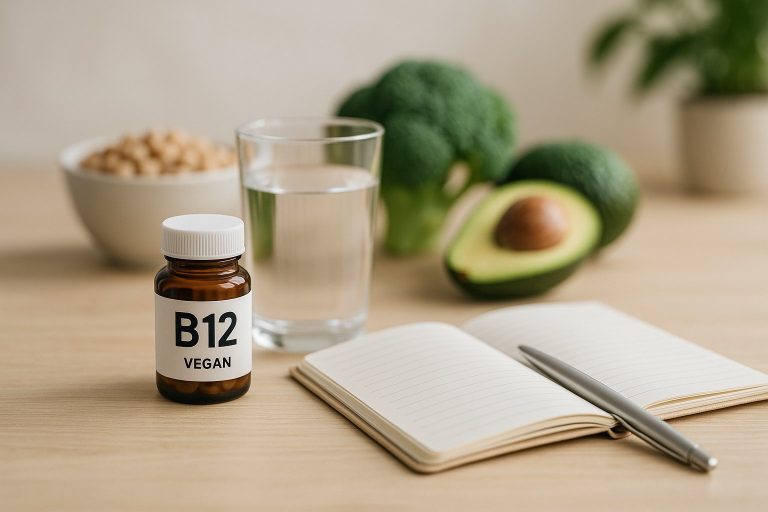
Vitamin B12 is the clearest and most universal concern in vegan nutrition. It is essential for red blood cell formation, neurological function, and DNA synthesis. The issue is simple: unfortified plant foods are not a reliable source of vitamin B12 [2].
That means spirulina, seaweed, unwashed vegetables, or vague “natural” sources are not a solid strategy. In practice, vegans need to rely on fortified foods and/or a proper supplement.
For a deeper breakdown, see The Vitamin B12 Guide.
Bottom line: if you only secure one nutrient today, make it B12.
2. Vitamin D: not only a vegan issue, but still worth checking
Vitamin D is not a vegan-only problem. Many omnivores also have low vitamin D status. But in plant-based diets, it is still an important nutrient to review, especially in winter, with limited sun exposure, darker skin tones, indoor lifestyles, or higher latitudes [3].
Low vitamin D can affect bone health and calcium balance. The useful nuance here is that vegan diets do not automatically cause vitamin D deficiency, but they can make it easier to overlook.
You can explore this topic further in The Vitamin D Guide.
3. Iodine: one of the most overlooked vegan nutrient gaps
Iodine is one of the most commonly forgotten nutrients in vegan nutrition. Yet it is essential for thyroid hormone production. In people who do not eat fish, dairy, or eggs, intake often depends on iodized salt, fortified foods, or, in some cases, a more targeted strategy [4].
The trap is assuming that eating seaweed once in a while solves everything. In reality, iodine content in seaweed is highly variable and can sometimes be excessive. What works better is a regular and controlled approach, not an approximate one.
If you want a dedicated breakdown, read The Iodine Guide.
4. Omega-3: the ALA, EPA, and DHA issue
Many vegans eat flaxseeds or chia and assume their omega-3 intake is covered. The reality is more nuanced. Plant foods mainly provide ALA, an essential omega-3 fat, but conversion from ALA to EPA and especially DHA is limited [5].
That does not mean everyone on a vegan diet automatically needs an algae oil supplement. But it does mean it is worth checking whether you consume ALA-rich foods regularly and thinking about EPA/DHA more carefully depending on your situation.
For a clearer explanation, see The Omega-3 Guide: ALA, EPA and DHA Explained.
5. Iron: worth monitoring in the right profiles, not something to dramatize in everyone
Iron is one of the first nutrients people bring up when talking about vegan deficiencies. That makes sense, but it needs nuance. Plant foods contain non-heme iron, which is absorbed less efficiently than heme iron from animal foods. That does not mean vegan diets automatically lead to iron deficiency. It means strategy matters more.
The people most likely to need closer attention include:
- people with heavy menstrual losses;
- pregnant women;
- endurance athletes;
- people with previously low ferritin or iron status;
- people who eat too little overall or have a very repetitive diet.
Pairing iron-rich foods with vitamin C can help improve absorption [6]. In real life, it is usually more useful to look at your actual intake, symptoms, and lab work if needed than to assume deficiency simply because you do not eat meat.
For more detail, read The Iron Guide.
6. Calcium: more practical than people think
Calcium does not have to come from dairy. A vegan diet can absolutely provide enough, but only if it includes real regular sources: fortified plant milks, calcium-set tofu, some calcium-rich mineral waters, low-oxalate greens such as kale or bok choy, tahini, and similar foods [7].
The issue usually appears when someone removes dairy but does not deliberately replace it with foods that provide meaningful amounts of calcium. If you rarely use fortified plant milk and almost never eat calcium-set tofu, this nutrient is worth checking.
You can also read The guide to calcium.
7. Zinc: not the first nutrient to check, but not one to forget either
Zinc is involved in immunity, wound healing, protein synthesis, and many enzyme systems. Intake can become marginal in vegan diets that are narrow, repetitive, or poorly planned. The answer is not to take a zinc supplement by default. The answer is to review food variety, legumes, soy foods, seeds, nuts, and whole grains, and then decide whether zinc deserves closer attention.
If useful, here is The Zinc Guide.
8. Protein: not usually a true deficiency, but intake can still be too low
It is common to hear that “vegans do not get enough protein”. That is too simplistic. True protein deficiency is uncommon when calorie intake is adequate and the diet includes legumes, soy foods, tofu, tempeh, seitan, or other regular protein sources. However, protein intake can still be too low in some cases, especially in older adults, athletes, people eating in a calorie deficit, or anyone following a plant-based diet very intuitively without structuring meals.
If that sounds relevant to you, read Vegan proteins: the complete guide to meeting your needs.
How to know whether you are at risk of vegan deficiencies
The first mistake is waiting for dramatic symptoms. Fatigue, poor concentration, reduced performance, hair loss, or vague low-energy feelings are not enough to diagnose a deficiency. They can have many causes. On the other hand, some deficiencies can build up quietly before obvious symptoms appear.
A better approach is usually to:
- look at what you actually eat over one or two weeks;
- identify the nutrients that matter most for your profile;
- check whether your intake is consistent enough;
- consider lab work if symptoms persist or you have a real concern.
If you want to explore all the nutrients tracked by Veg’Up, you can also browse the plant-based nutrition guide.
The vegan profiles that need closer monitoring
Some situations call for more attention than others:
- the beginning of a transition to a vegan diet;
- pregnancy and breastfeeding;
- adolescence and growth;
- high training loads;
- low calorie intake;
- digestive disorders or chronic illness;
- very repetitive or highly processed eating patterns.
In those situations, it becomes even more useful to move beyond intuition and use clearer markers.
How to avoid vegan deficiencies without becoming obsessive
You do not need to track everything all the time. A simpler routine works better:
- secure your B12 intake;
- check your protein sources regularly;
- make sure you have reliable sources of iron, calcium, iodine, and omega-3;
- adjust based on your own profile, not just generic lists;
- get professional advice or lab work if symptoms persist.
This is exactly where an app like Veg’Up can help: it makes the nutrients you would otherwise overlook far more visible, without forcing you to manage everything manually.
Conclusion
Vegan deficiencies are not inevitable. But they are not prevented by vague advice like “just eat a balanced diet” either. The more honest answer is this: some nutrient gaps really do deserve attention, while others depend more on your profile and habits.
If you eat a vegan diet, the smartest strategy is neither fear nor improvisation. It is clarity. Start with B12, then look at vitamin D, iodine, omega-3, and iron according to your situation, and check whether your routine is actually covering what matters over time.
CTA: Discover the nutrients that matter most and check your plant-based diet more easily with Veg’Up.
Frequently asked questions about vegan deficiencies
Are vegans automatically deficient in key nutrients?
No. A vegan diet can meet nutritional needs, but it requires more deliberate planning around nutrients such as B12, vitamin D, iodine, omega-3, and iron in some profiles.
What is the most common deficiency in a vegan diet?
Vitamin B12 is the clearest and most universal issue because unfortified plant foods do not provide it reliably.
Should vegans get blood tests regularly?
Not everyone needs the exact same testing schedule, but blood work can be useful if you have symptoms, higher-risk needs, or doubts about whether your intake is truly covering the essentials.
Sources
- Academy of Nutrition and Dietetics. Position of the Academy of Nutrition and Dietetics: Vegetarian Diets.
- NIH Office of Dietary Supplements. Vitamin B12 Fact Sheet for Health Professionals.
- NIH Office of Dietary Supplements. Vitamin D Fact Sheet for Health Professionals.
- NIH Office of Dietary Supplements. Iodine Fact Sheet for Health Professionals.
- NIH Office of Dietary Supplements. Omega-3 Fatty Acids Fact Sheet for Health Professionals.
- NIH Office of Dietary Supplements. Iron Fact Sheet for Health Professionals.
- NIH Office of Dietary Supplements. Calcium Fact Sheet for Health Professionals.