Worried about vegan iron deficiency? It is a real topic, but it is often oversimplified. A well-planned plant-based diet can provide enough iron, yet absorption is more sensitive to meal composition because plant foods contain non-heme iron, which is usually absorbed less efficiently than the iron found in animal products.
The useful approach is not to panic. It is to recognise possible symptoms, identify whether you belong to a higher-risk group, and improve the factors that matter most in practice: iron-rich foods, vitamin C, meal timing, and testing when symptoms persist.
For the bigger picture, you can also read our guide to the main vegan deficiencies to watch. If you are also unsure about supplementation priorities, our article on vegan vitamin B12 dosage and common mistakes can help you separate what needs immediate attention from what can wait.
What are the symptoms of vegan iron deficiency?
Symptoms alone cannot diagnose iron deficiency. Still, they can be a valid reason to discuss blood tests with a healthcare professional if they persist or begin to stack up. The most common signs include:
- unusual tiredness or a sustained drop in energy;
- shortness of breath more quickly during exercise;
- paleness, weakness, or reduced concentration;
- headaches, irritability, or slower recovery;
- sometimes brittle nails, hair shedding, or restless legs.
These symptoms can have many other causes. That is why self-diagnosis is a poor shortcut. If the picture fits, the next sensible step is usually to ask whether testing haemoglobin, ferritin, and sometimes other iron markers makes sense in your situation.1
Why iron deserves more attention on a vegan diet
Vegan diets can absolutely cover iron needs. The issue is not that plant foods are “iron-free”. Legumes, tofu, tempeh, whole grains, seeds, nuts, fortified cereals, and some leafy greens all contribute meaningful amounts of iron. The main difference is that plant foods provide non-heme iron, whose absorption is more affected by the rest of the meal.2
In practice, iron absorption depends on:
- how much iron the meal contains overall;
- whether the meal also includes a source of vitamin C;
- whether tea or coffee is taken too close to the meal;
- whether your needs are temporarily higher than usual.
That is why the most effective strategy is usually to structure meals better, not to obsess over one miracle food.
Who is more likely to develop low iron on a vegan diet?
Not everyone needs the same level of vigilance. Extra attention is usually worth it if you are in one of these situations:
- you have heavy periods;
- you are pregnant, postpartum, or trying to conceive;
- you are an adolescent with increased needs during growth;
- you do endurance sport regularly;
- you often undereat, skip meals, or stay in a calorie deficit;
- you have a history of low ferritin or iron-deficiency anaemia.
Recent reviews suggest that plant-based eaters do not all have the same risk profile. Context matters a lot: sex, menstruation, pregnancy, exercise volume, and overall energy intake change the picture far more than a vegan label on its own.4
Best vegan iron sources to include more often
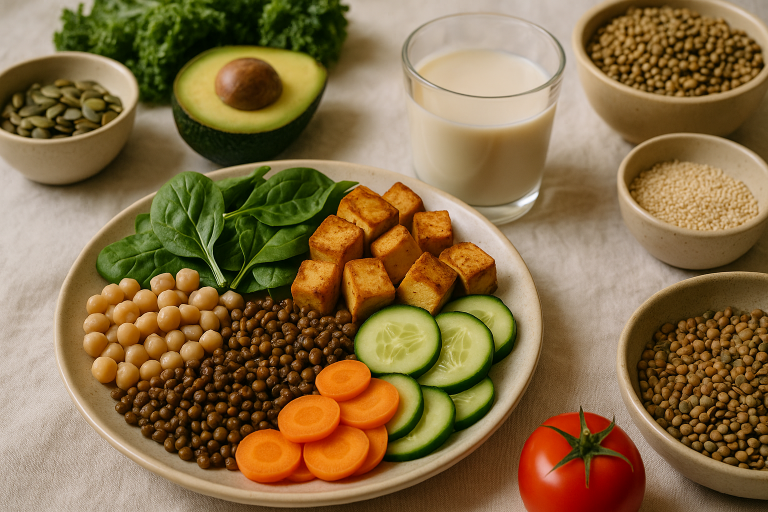
Instead of relying on a single “superfood”, it makes more sense to build regular meals around solid iron contributors such as:
- lentils, chickpeas, kidney beans, white beans, and other legumes;
- tofu, tempeh, and other soy foods;
- pumpkin seeds, sesame seeds, tahini, hemp seeds;
- whole grains and iron-fortified breakfast cereals;
- dried apricots and some other dried fruits;
- leafy greens and practical mixed meals that combine several of these foods.
If you want a simple rule, aim for a real iron source more than once a day, not just once in a while.2 You can also browse our nutrient hub for other plant-based nutrition priorities.
How to improve absorption of plant iron
This is where most of the low-hanging fruit sits. A few habits can make a noticeable difference:
- pair iron-rich meals with vitamin C sources such as kiwi, citrus fruit, berries, peppers, broccoli, cabbage, or tomatoes;
- avoid drinking tea or coffee right with iron-focused meals if your iron status is fragile;
- spread iron sources across the day instead of trying to fix everything in one meal;
- keep energy intake adequate, because under-eating often lowers iron intake as well;
- use soaked, cooked legumes and varied meal patterns that are easy to repeat.
A very ordinary meal can work well: lentils with peppers and parsley, plus a vitamin-C-rich fruit afterwards, will often do more than a theoretically high-iron meal with poor absorption conditions.23
When should you get blood tests or medical advice?
Testing is especially worth considering if you have:
- persistent fatigue without a clear explanation;
- a noticeable drop in exercise performance or endurance;
- heavy periods;
- a previous history of low ferritin or iron-deficiency anaemia;
- pregnancy, postpartum recovery, or high training volume.
The key point is simple: do not start iron supplements at random. Iron can be helpful, and sometimes essential, but supplementation should be guided by symptoms, context, and ideally blood work. Iron deficiency can also reflect causes that deserve medical attention, including blood loss.12
Common mistakes to avoid
- assuming every vegan is automatically iron deficient;
- assuming “healthy eating” automatically means sufficient iron intake;
- taking iron supplements without a relevant clinical reason or test result;
- forgetting context such as periods, pregnancy, endurance training, or low calorie intake;
- ignoring the role of vitamin C and drinks that can inhibit absorption around meals.
FAQ: vegan iron deficiency
What are the most common symptoms of vegan iron deficiency?
The most common symptoms are fatigue, shortness of breath, paleness, reduced concentration, and sometimes slower recovery. But symptoms alone are not enough to confirm iron deficiency.
How can vegans prevent iron deficiency?
In practice: eat iron-rich foods regularly, add vitamin C to meals, avoid tea or coffee too close to meals when needed, and monitor more closely if you are in a higher-risk group.
When should a vegan get tested for low iron?
Testing becomes especially relevant with persistent fatigue, heavy periods, pregnancy, reduced performance, or a history of low ferritin.
Track your intake without overcomplicating it
VegUp helps you track iron intake in a more concrete way, so you can spot weak points earlier instead of guessing.
Download the app and optimise your iron strategy today.