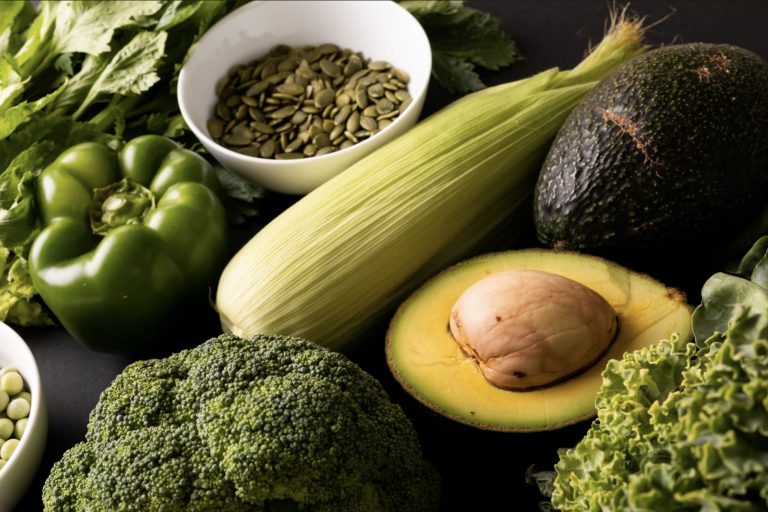
Switching to a plant-based diet is an excellent initiative for your health. Numerous studies show that a well-planned plant-based diet can reduce the risk of cardiovascular diseases, type 2 diabetes, and certain chronic conditions.
However, adopting a plant-based diet requires a structured approach. It is not simply about removing animal products…
How can you meet your protein needs when eliminating meat products?
A golden rule: vary your sources to obtain all essential amino acids!
A balanced plant-based plate relies on complementarity because not all plant proteins have the same essential amino acid profile. Contrary to a widespread belief, plant proteins are not “incomplete”. They do contain the 9 essential amino acids (Lysine / Methionine / Leucine / Isoleucine / Valine / Threonine / Tryptophan / Phenylalanine / Histidine). However, some may be present in smaller amounts depending on the food. This is why complementarity is essential.
To obtain all essential amino acids, it is important to regularly consume:
-
Legumes: lentils, chickpeas, beans… (low in methionine)
-
Whole grains (low in lysine)
-
Nuts and seeds: cashews, peanuts… (low in methionine)
The French health agency ANSES emphasizes that dietary diversity is the best way to meet protein needs without animal products.
Which nutrients are often deficient in a plant-based diet?
Vitamin B12
Vitamin B12 is absent from non-fortified plant foods. It plays a central role in red blood cell formation and neurological function. A deficiency may take time to appear but can have significant consequences.
Needs
Recommended intake for adults is around 4 µg/day.
Advice
Regular supplementation is essential in a vegan diet. It is recommended to check blood levels annually.
Deficiency signs
Fatigue, memory issues, numbness, anemia.
Iron
Plant-based iron is non-heme iron, which is less well absorbed than iron from animal sources. Absorption strongly depends on the dietary context.
Needs
Requirements are higher in women (18 mg for menstruating women, 8 mg for men).
Advice
Combine iron sources with vitamin C and avoid tea or coffee during meals. Regularly monitor ferritin levels with blood tests.
Deficiency signs
Persistent fatigue, pale skin, hair loss, shortness of breath.
Omega-3 (EPA and DHA)
Omega-3 consists of ALA as well as EPA and DHA. Plant foods mainly provide ALA (flax seeds, chia seeds, walnuts). Conversion into EPA and DHA is too low to fully cover daily needs.
Needs
The EFSA recommends a combined intake of about 250 mg/day of EPA + DHA for adults.
Advice
Consider a direct source of omega-3 through microalgae oil. Monitor the omega-6 / omega-3 ratio.
Deficiency signs
Fatigue, concentration problems, dry skin.
Iodine
Iodine is often insufficient in people excluding seafood and dairy products.
Needs
About 150 µg/day for adults.
Advice
Use iodized salt and monitor seaweed consumption (some may contain excessive amounts).
Deficiency signs
Fatigue, thyroid disorders, sensitivity to cold.
Calcium
A plant-based diet can cover calcium needs if it is properly structured.
Needs
About 950 to 1000 mg/day depending on age.
Advice
Include calcium-set tofu, fortified plant drinks, and calcium-rich green vegetables.
Deficiency signs
Long-term bone fragility, muscle cramps.
Signs of good nutrient absorption
A balanced diet is often reflected in:
-
Smooth digestion
-
Stable energy
-
Healthy skin
-
Strong hair
Fiber feeds the gut microbiota, which contributes to better nutrient absorption.
Listening to your body and adjusting your meals according to your level of physical activity is essential.
Use Veg’Up Nutrition for accurate tracking
Calculating your intake of iron, calcium, zinc, or omega-3 can become complex on a daily basis. To simplify this management, Veg’Up Nutrition was developed. It is the reference application for vegans and vegetarians who want serious and structured nutrient tracking.
By recording your meals, you can:
-
Visualize your actual intake
-
Compare it with official recommendations
-
Identify your weak points
-
Adjust your portions concretely
-
Track your detailed omega-3 intake (ALA, EPA, DHA)
Instead of assuming your diet is balanced, you obtain precise data.


So how do you know if your plant-based diet is truly balanced?
A plant-based diet can be perfectly balanced and suitable for all stages of life if it is well planned. The key lies in dietary diversity, monitoring critical nutrients, regular follow-up, and appropriate vitamin B12 supplementation.
The information in this article is provided for informational purposes only and does not replace medical advice. In case of symptoms, persistent fatigue, or doubts, it is essential to consult a healthcare professional.
Source: ANSES, Reference Nutritional Intakes for the French Population, 2021; Satija A et al., Plant-Based Dietary Patterns and Risk of Cardiovascular Disease, Journal of the American College of Cardiology, 2017; Dinu M et al., Vegetarian, vegan diets and multiple health outcomes, Critical Reviews in Food Science and Nutrition, 2017.